
Are you aware that a burst air compression setup can release energy comparable to a dynamite stick? Numerous workshops continue to use pipe networks made from dangerous materials, unaware of the dangers. This article details why security must be the priority.
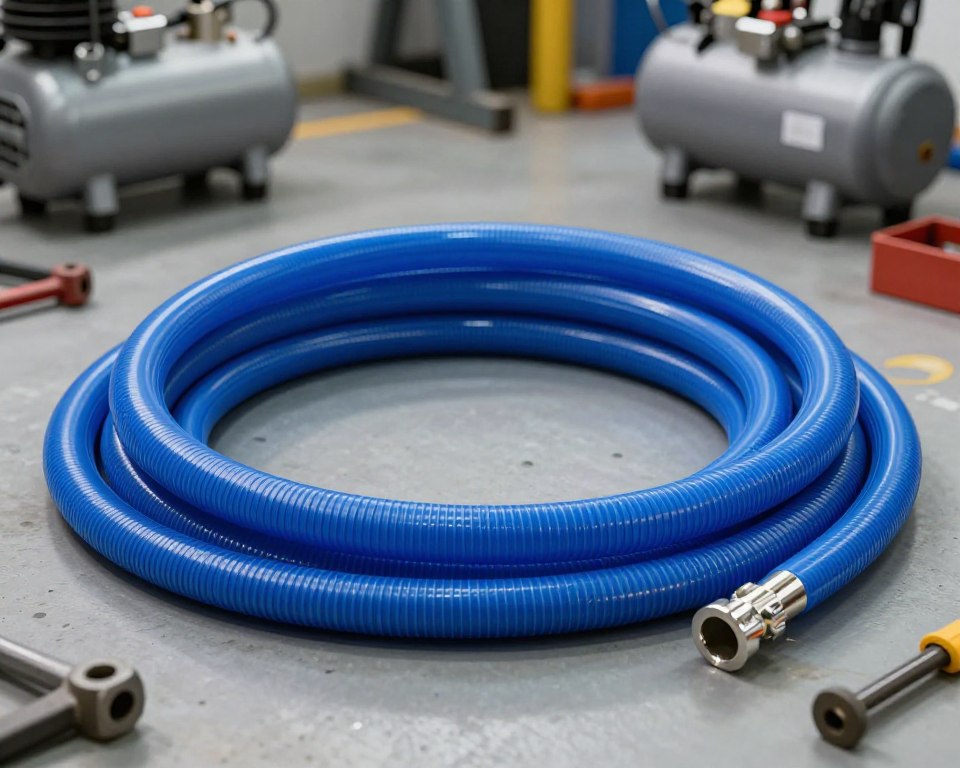
Buy Now PVC Air Hose
In spite of increasing interest in specific plastics, OSHA rigidly prohibits their use in surface settings. With time, being exposed to oils and thermal fluctuations degrades them, leading to major breakdowns. Even at “safe” PSI levels, the chance of bursts remains high.
For reliable alternatives, Installation Parts Supply provides durable solutions like aluminum. Investing in appropriate materials prevents expensive fines and keeps factories safe. Let’s discover how to create a safer setup.
Essential Highlights
- OSHA prohibits specific plastics because of burst hazards.
- Pressure ratings drop as temperatures fluctuate.
- Brittleness increases with age, raising breakage chances.
- Aluminum piping presents a more secure alternative.
- Correct installation stops expensive penalties and injuries.
Reasons PVC Is Unsafe For Compressed Air
Producers clearly advise against using some plastics for high-energy uses. In contrast to water, compressed air holds volatile power—a burst line can unleash impact comparable to dynamite. This renders component
selection crucial for protection.
- Brittleness: Sub-freezing temps make materials fragile, increasing shatter potential.
- Glue breakdowns: Joints lose strength when subjected to compressor oils or thermal cycling.
- Misleading ratings: PSI tolerance falls by half at 110°F—many workshops surpass this.
OSHA references a $110,000 fine after a plant’s system shattered, hurting workers. The “heat of compression” further reduces safe operating limits, a factor often missed in specs.
“Above-ground use of specific polymers for compressed air contravenes safety regulations owing to burst dangers.”
Metal alternatives fail in a predictable way, warping instead of shattering. On the other hand, plastic debris from explosive failures can travel over 50 feet, embedding in walls or machinery.
Workshops encounter daily thermal changes that accelerate material degradation. In a decade, UV exposure and chemical interactions further compromise integrity, transforming minor leaks into major hazards.
Safe Alternatives To PVC Pipe For Air Compressor Lines
Aluminum pipe setups beat conventional choices in both safety and efficiency. Boasting 90% fewer leaks compared to black pipe, they are a top choice for contemporary facilities. Their light construction and corrosion resistance render them ideal for long-term use.
Modular aluminum systems save time—no threading required. The supplier offers pre-assembled sections that snap together. A Midwest auto plant cut work expenses by 40% following adopting this solution.
- Copper Piping: Ideal for cleanrooms because of natural antimicrobial properties. Needs skilled brazing.
- Stainless Steel: Withstands rust in damp locations like coastal workshops.
- Plastic Composites: Solvent-proof for laboratories and factories handling solvents.
“Upgrading to aluminum reduced power loss by fifteen percent—paying for itself in 18 months.”
Torque matters. Over-tightened fittings break, whereas loose ones leak. Follow maker guidelines—typically 25–30 ft-lbs for aluminum connections.
For food-grade applications, NSF-certified options ensure clean air. Constantly align materials to your environment’s demands.
Selecting The Best Pipe Material For Your Requirements
Selecting the best substance for your system demands weighing price, protection, and performance. A Midwest factory saved $12,000 annually by moving to sealed aluminum. Here’s how to take the correct choice.
| Type | Cost (per ft) | Maintenance | Payback Period |
|---|---|---|---|
| Aluminium | $8.50 | Minimal | 18 months |
| Iron Pipe | 5.00 USD | High | None |
| Copper | $10.20 | Medium | 2 Years |
Temperature matters. Aluminum handles -40°F to 200°F, while plastics crack in the cold. For chemical-heavy environments, stainless steel resists solvents.
Pro Tip: Calculate return on investment via CFM loss formulas. A 10% leak in a 50 HP system burns $3,500 yearly.
- Match PSI ratings to your compressor’s output.
- Verify safety standards for joint checks and pressure tests.
- Request a free site review from the supplier.
“Our aluminum retrofit reduced energy waste by fifteen percent—paying for itself in 18 months.”
Self-installs are okay for small shops, but experts guarantee leak-free joints. Always check guarantee details—some materials cover 10+ years.
Final Thoughts
Selecting the correct materials for your pneumatic setup isn’t just about price—it’s about safety. Research indicates most breakdowns occur in older systems, frequently with hazardous outcomes. Aluminum provides near-perfect uptime, making it a smart lasting investment.
Key takeaways:
- Steer clear of fragile plastics that shatter under pressure.
- Opt for rust-proof alloys like aluminum or steel.
- Non-compliant systems risk OSHA fines and insurance issues.
Ready to upgrade? Our team offers same-day quotes and special deals on starter kits. Download our free checklist or contact us for emergency replacements.
Dedicate yourself to better piping now—your team’s safety relies on it.
Related: PVC Cosmetic Bags: Transparent Window Styles